Nepedia

Indian layered paratha

Unleavened whole-wheat flatbreads folded with ghee.

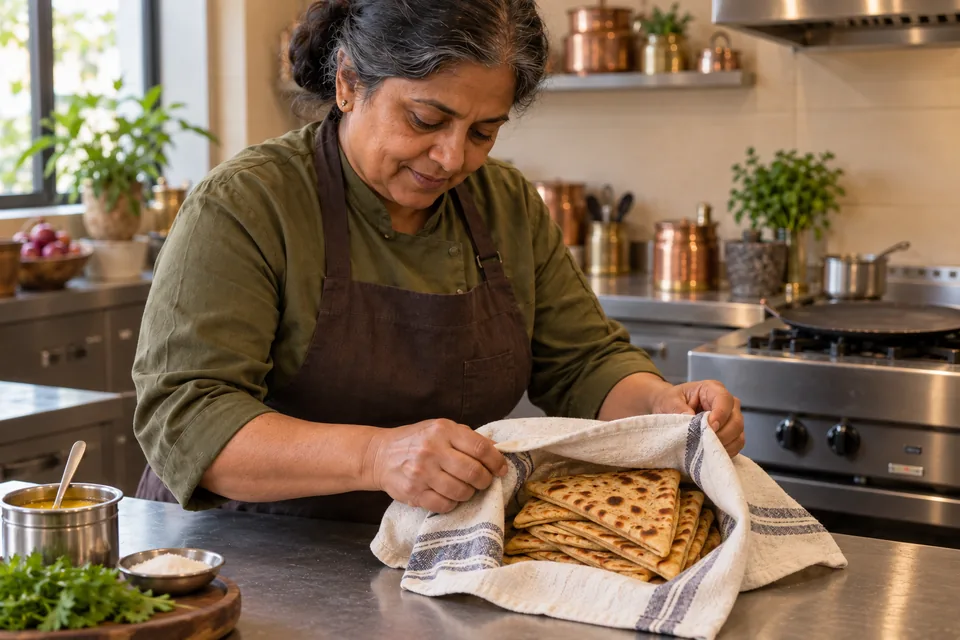
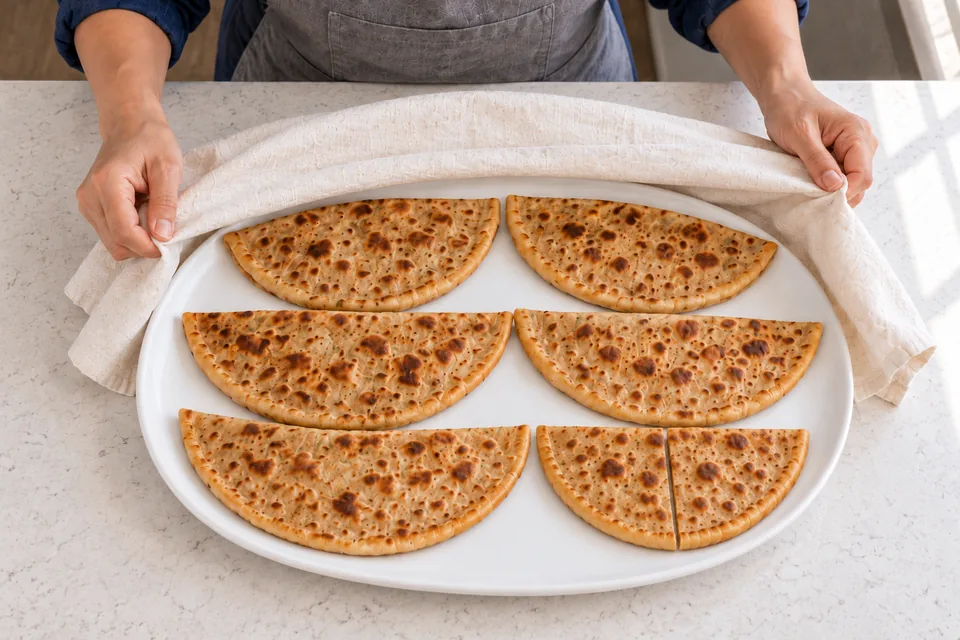
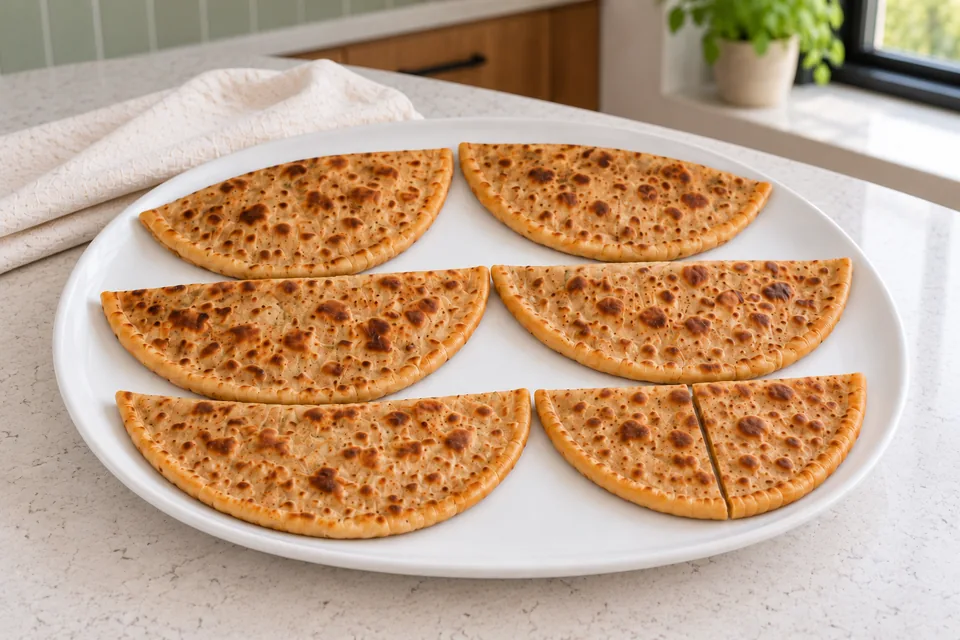
A cook folds a clean cloth around a stack of warm triangular parathas.
Makes
8 parathas
Heat
Stovetop: medium heat
Cooking time
A few min each
Cuisine / style
India

Cook until brown spots form and no raw edges remain.

View

Indian layered paratha

Makes
8 parathas
Heat
Stovetop: medium heat
Cooking time
A few min each
Cuisine / style
India

Cook until brown spots form and no raw edges remain.

India · Layered flatbreads

Indian layered paratha

Unleavened whole-wheat flatbreads folded with ghee.

Method

  1. 01 · Knead

    3 min knead; 20–60 min rest

    Use: Dough ingredients

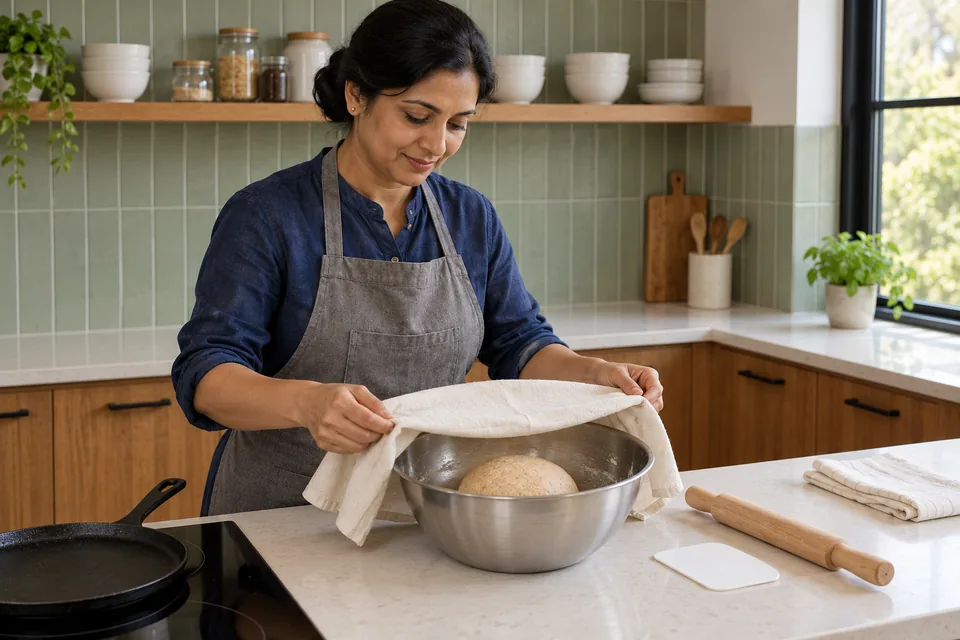
    Add water gradually; knead until supple. Cover.

    Ready when: Soft, not sticky

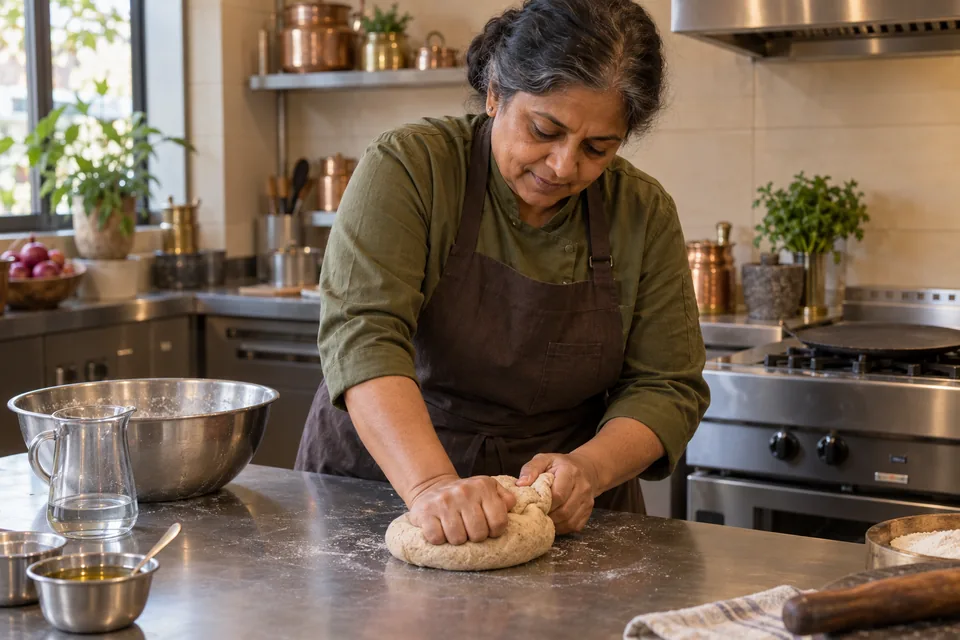
    A cook kneads a tan whole-wheat dough on a lightly floured professional bench.
    01 Knead and restMake a supple dough that feels soft without sticking, then cover and rest.
  2. 02 · Portion

    8 min

    Use: Dough; rolling flour

    Divide eight ways; dust lightly and roll 13–15 cm circles.

    Ready when: Even thickness

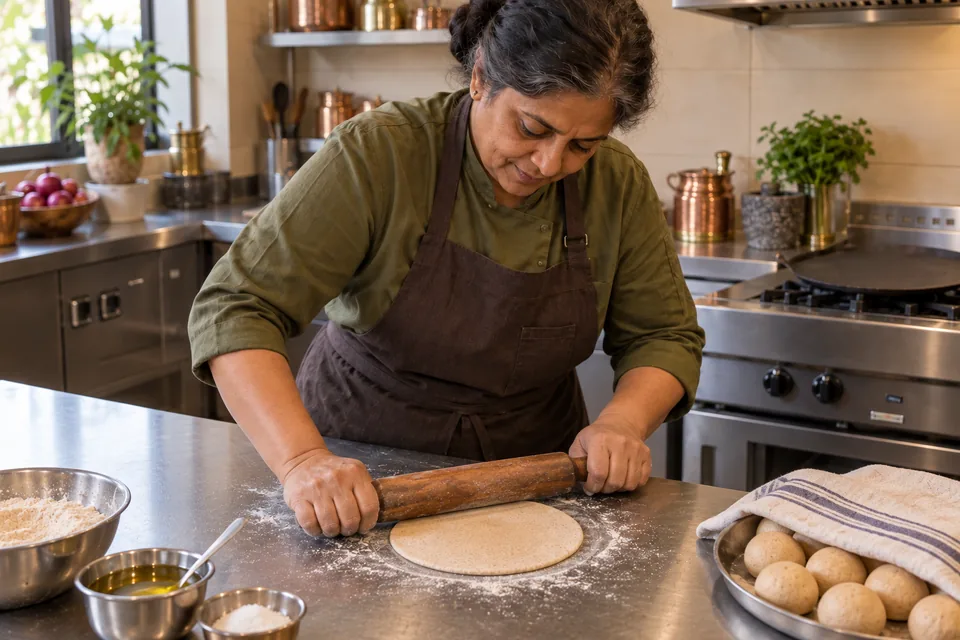
    A cook rolls a small whole-wheat dough circle with other portions partly covered nearby.
    02 Portion and rollDivide the dough eight ways and roll each portion into an even circle.
  3. 03 · Fold

    10 min

    Use: Circles; some ghee

    Brush lightly, dust with flour, fold in half; brush again and fold into triangles. Roll gently.

    Ready when: Layers remain visible

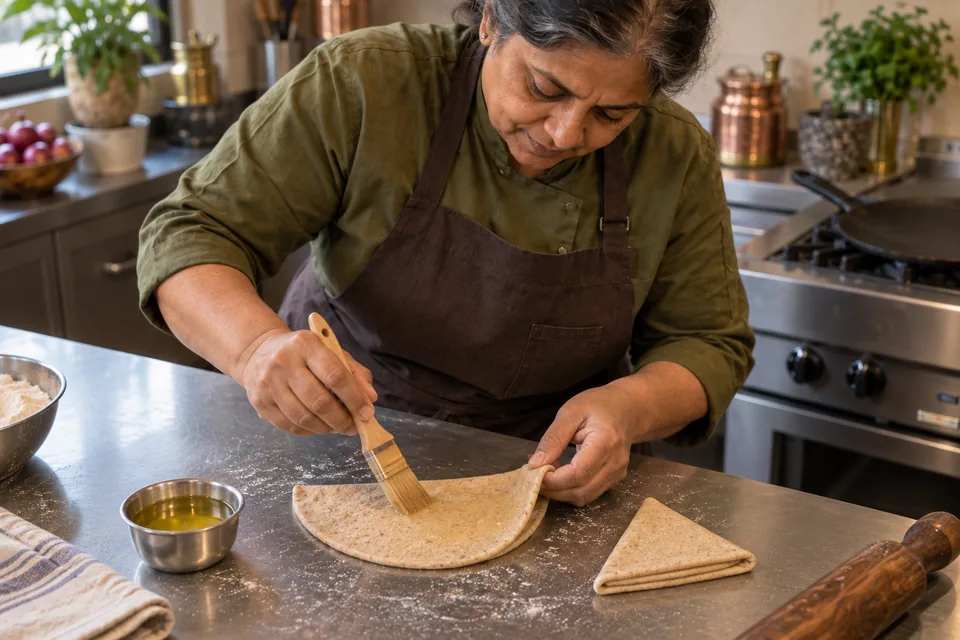
    A cook brushes ghee over a dough semicircle beside an already folded triangle.
    03 Make the layersBrush lightly with ghee, fold in half, then fold again into a triangle.
  4. 04 · Cook

    A few min each

    Use: Parathas; remaining ghee

    Cook on a hot tawa; flip when bubbles form. Brush both sides with ghee, turn and press edges until cooked.

    Ready when: Brown spots; no raw edges

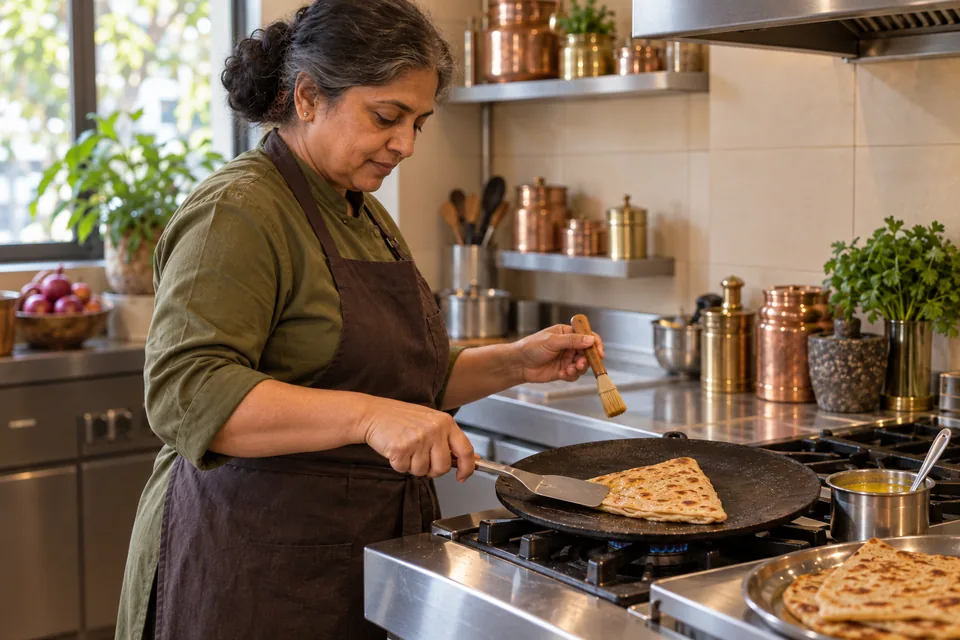
    A cook presses a triangular paratha on a hot black tawa with a metal spatula.
    04 Cook on the tawaTurn and press the edges until brown spots appear and no raw edges remain.
  5. 05 · Hold

    As cooked

    Use: Cooked parathas

    Stack inside a clean cloth; serve warm.

    Ready when: Soft layers

    A cook folds a clean cloth around a stack of warm triangular parathas.
    05 Keep warmStack the cooked parathas inside a clean cloth to keep the layers soft.

What to look for

StageLook / feel forNeeds attention
DoughSoft and pliableCrumbly edges
PanBubbles followed by brown spotsSmoke or instant blackening

Troubleshooting

If you see thisLikely causeWhat to do nowNext time
Hard breadToo much dusting flourUse less on remaining portionsDust sparingly
Raw edgesUneven thickness or heatPress edges against panRoll evenly
Gummy foldsLayers too thickCook longer at lower heatRoll folded dough gently but thoroughly

Use whole-wheat flour. The 45–60 mL ghee range corresponds to 3–4 tablespoons.

Ingredient choices & substitutions
IngredientSpecified typeBrandStatus
FlourFinely milled attaNo brand specifiedtype preferred
FatGhee or neutral oilNo brand specifiedeither allowed
IngredientAlternative / ratioAdjust handlingLikely outcome
AttaAll-purpose flour1:1 weightBegin with about 160 mL water; increase only as neededLess wheaty, different absorption
GheeMelted unsalted butter1:1 volumeUse for layering; moderate pan heatSofter layers, as noted by Swasthi

Match the ingredient’s function and weight. See the flour, gluten, yeast and salt guide.

Other approaches to this recipe

Both use folding to create layers. Water quantities differ, so keep the soft-dough cue and the chosen base rather than averaging them.

Cook / recipeUseWhat differs
Swasthi ShreekanthSwasthi’s RecipesParatha RecipeBase300 g atta; broad water range; ghee between folds.
Dassana AmitDassana’s Veg RecipesParatha Recipe (Indian Flatbread)Comparison240 g atta, water added as required; similar folds and skillet finish.

The working ingredients and method form one recipe. Different formulas are compared without averaging their quantities or rise schedules.
Swasthi’s Recipes · Swasthi Shreekanth

Recipe

Indian layered paratha

Unleavened whole-wheat flatbreads folded with ghee.

How do I make it?

  1. Make the dough

    3 min knead; 20–60 min rest

    Mix the dough ingredients, adding the water gradually. Knead for 3 minutes, until soft and stretchy but not sticky. Cover and rest for 20–60 minutes.

    A cook kneads a tan whole-wheat dough on a lightly floured professional bench.
    Make a supple dough that feels soft without sticking, then cover and rest.

    Ready when: Soft, not sticky

  2. Divide and roll

    8 min

    Divide into eight pieces, dust lightly with rolling flour and roll into even circles 13–15 cm wide. Allow about 8 minutes.

    A cook rolls a small whole-wheat dough circle with other portions partly covered nearby.
    Divide the dough eight ways and roll each portion into an even circle.

    Ready when: Even thickness

  3. Fold in layers

    10 min

    Brush each circle lightly with some ghee, dust with flour and fold in half. Brush again and fold into a triangle, then roll gently so the layers remain visible. Allow about 10 minutes.

    A cook brushes ghee over a dough semicircle beside an already folded triangle.
    Brush lightly with ghee, fold in half, then fold again into a triangle.

    Ready when: Layers remain visible

  4. Cook

    A few min each

    Heat a tawa or flat skillet over medium heat and cook until bubbles appear, then turn over. Brush both sides with the remaining ghee, turning and pressing the edges until cooked. Allow a few minutes each, until brown spots appear and no raw edges remain.

    A cook presses a triangular paratha on a hot black tawa with a metal spatula.
    Turn and press the edges until brown spots appear and no raw edges remain.

    Ready when: Brown spots; no raw edges

  5. Keep warm

    As cooked

    Stack the cooked parathas inside a clean cloth to keep the layers soft. Serve warm.

    A cook folds a clean cloth around a stack of warm triangular parathas.
    Stack the cooked parathas inside a clean cloth to keep the layers soft.

    Ready when: Soft layers

What can go wrong, and how can I fix it?

What you noticeLikely causeWhat to do
Hard breadToo much dusting flourUse less on remaining portions Dust sparingly
Raw edgesUneven thickness or heatPress edges against pan Roll evenly
Gummy foldsLayers too thickCook longer at lower heat Roll folded dough gently but thoroughly
Useful recipe notes

Use whole-wheat flour. The 45–60 mL ghee range corresponds to 3–4 tablespoons.

See the detailed method and ratios in , or follow ingredients through the .

Ingredient proportions & recipe details

Indian layered paratha at a glance

Makes
8 parathas
Heat
Stovetop: medium heat
Cooking time
A few min each
Cuisine / style
India
How do the ingredient proportions compare?

Percentages compare each listed weight with the combined flour weight (100%). These are ingredient ratios, not dough hydration; milk, eggs and fillings contain other ingredients as well as water.

Formula componentGramsFlour = 100%
Atta whole-wheat flour300 g100%
Atta flour30 g10%

Spiced sultana paratha

Makes
6 filled semicircular parathas
Heat
Medium pan heat
Cooking time
4–6 min per bread; 24–36 min for six
Cuisine / style
India

Cook one bread at a time and check the first piece inside; adjust heat for a cooked seam.

India · Indian layered paratha

Spiced sultana paratha

Whole-wheat half-moon flatbreads with a small cumin, chilli and sultana filling. Seal them before cooking and fry over medium heat until the dough is cooked through.

Method

  1. 01 · Mix and knead the atta dough

    8–12 min

    Use: Atta whole-wheat flour; Fine salt; Neutral oil for the dough; Water for the dough

    Mix the dough flour and salt in a bowl. Add the dough oil and dough water. Stir until the flour is damp, then knead for about 5 minutes until smooth. Cover the dough.

    Ready when: The dough is pliable and firm enough to roll, with no dry crumbs or loose liquid.

    Cook covering one smooth whole-wheat dough in a steel bowl.
    01 Mix and knead the atta doughMix and knead a firm, pliable dough, then cover it.
  2. 02 · Rest the dough; make and cool the filling

    30 min

    Use: Neutral oil for the filling; Cumin seeds; Deseeded green chilli; Ground coriander; Sultanas; Water for the filling

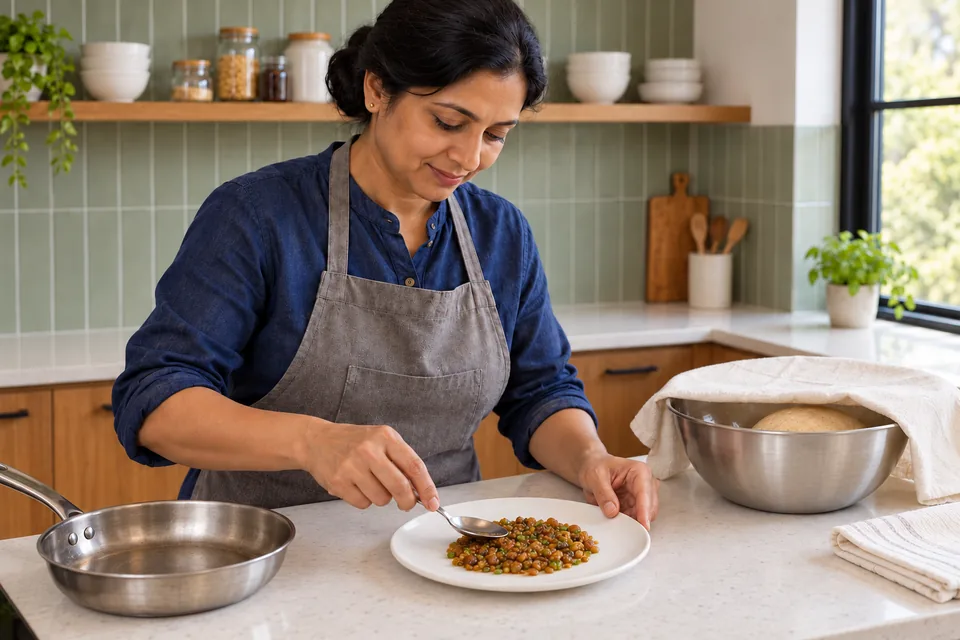
    Leave the dough covered for 30 minutes. Meanwhile, heat the filling oil in a small pan over medium-low heat. Add the cumin and stir for 30 seconds, then add the chopped chilli and cook for 1–2 minutes. Stir in the coriander, sultanas and filling water. Cook gently for 1–2 minutes, stirring, until no loose water remains. Spread on a plate to cool while the dough finishes resting.

    Ready when: The dough has relaxed. The filling is cool, fragrant and moist enough to hold together, with no puddle or scorched fruit.

    A small cooled mixture of chopped sultanas, chilli and spices on a plate.
    02 Rest the dough and cool the fillingRest the dough and cool the filling with no loose water.
  3. 03 · Divide dough and filling six ways

    4–5 min

    Use:

    Divide the dough into six equal pieces, about 86 g each. Shape into balls and keep them covered. Divide the entire cooled filling into six equal small portions.

    Ready when: There are six similar dough balls and one small filling portion for each.

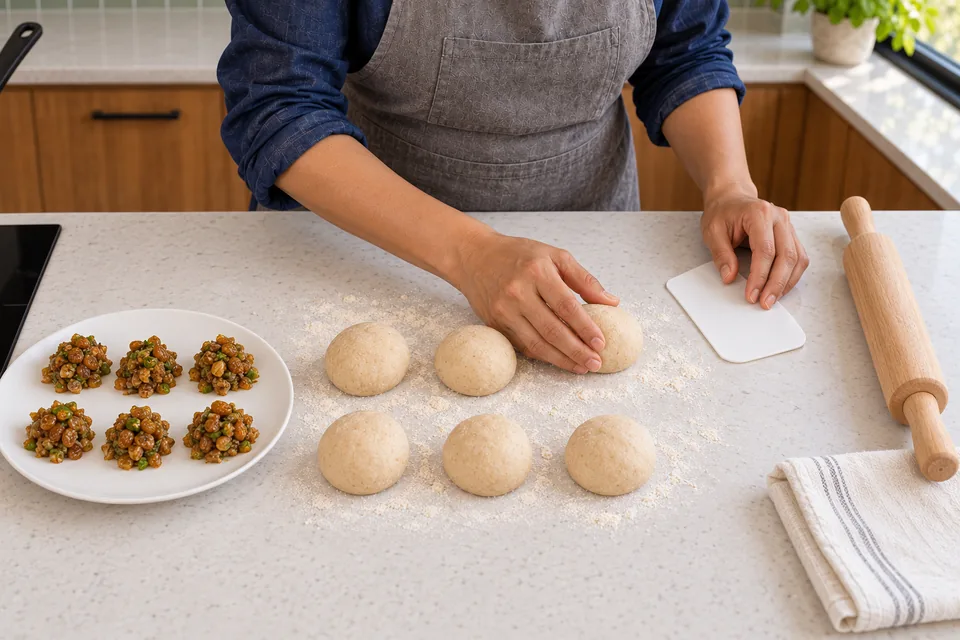
    Six dough balls beside six small portions of spiced-sultana filling.
    03 Divide into six portionsDivide both the dough and the filling into six equal portions.
  4. 04 · Roll, fill and seal the half-moons

    15–20 min

    Use: Atta flour for rolling

    Dust the worktop lightly with rolling flour. Roll one dough ball into an 18 cm circle of even thickness. Spread one filling portion thinly over one half, leaving a 1 cm clear border. Moisten the border with a damp fingertip, fold the empty half over and press the edges firmly together. Repeat, keeping completed breads loosely covered.

    Ready when: Six flat semicircles have closed seams and no large mound of filling. The dough is thin at the sealed edge.

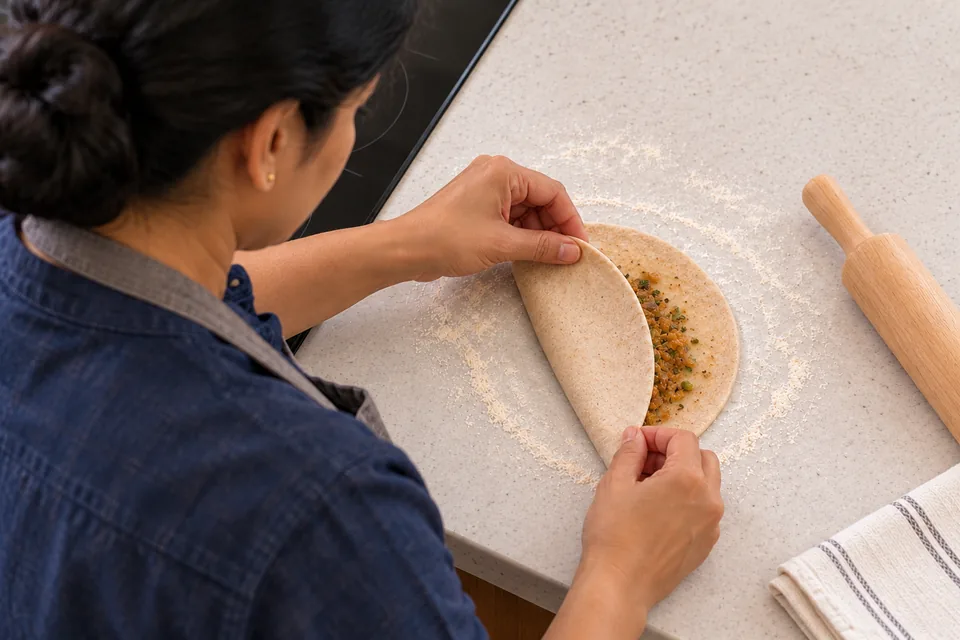
    Hands folding one thin atta disc over its small sultana-and-chilli filling.
    04 Fold over a thin fillingSpread a small portion over half the disc, then fold and seal.
  5. 05 · Heat the pan

    3–5 min

    Use: Atta flour for rolling

    Heat a heavy 24–26 cm skillet or tawa over medium heat for 3–5 minutes. Set the cooking oil and a pastry brush nearby.

    Ready when: The pan feels steadily hot and a tiny pinch of flour turns pale brown in a few seconds, rather than smoking or blackening immediately. Brush the test flour away.

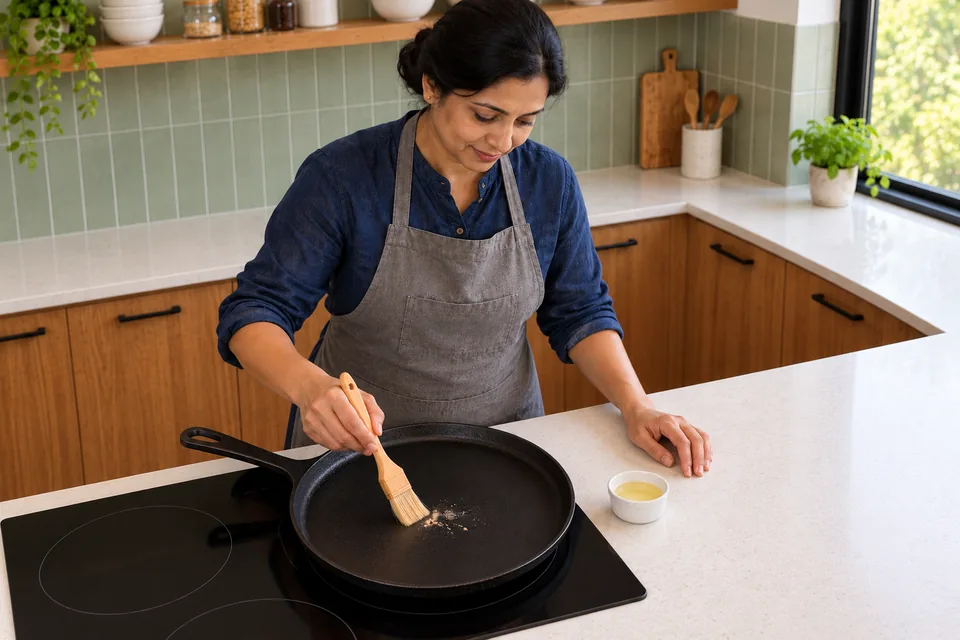
    Cook brushing a few test-flour specks from an ordinary empty tawa, viewed from above beside a small oil ramekin.
    05 Heat the tawaHeat the pan over medium heat and brush away the test flour.
  6. 06 · Cook each filled bread

    24–36 min

    Use: Neutral oil for cooking

    Brush the pan with a little of the cooking oil. Add one paratha and cook for about 2–3 minutes, then turn it. Brush the upper surface lightly with oil and cook the second side for 2–3 minutes, pressing the sealed edge gently against the pan. Adjust the heat if patches darken too quickly. Cook the remaining breads the same way, using about 4 g oil per bread overall. Cut open the first one to check its centre and seam; if raw dough remains, return it to the pan over lower heat.

    Ready when: Both sides have brown patches and the sealed edge feels cooked rather than gummy. Inside, there is no sticky raw dough around the filling.

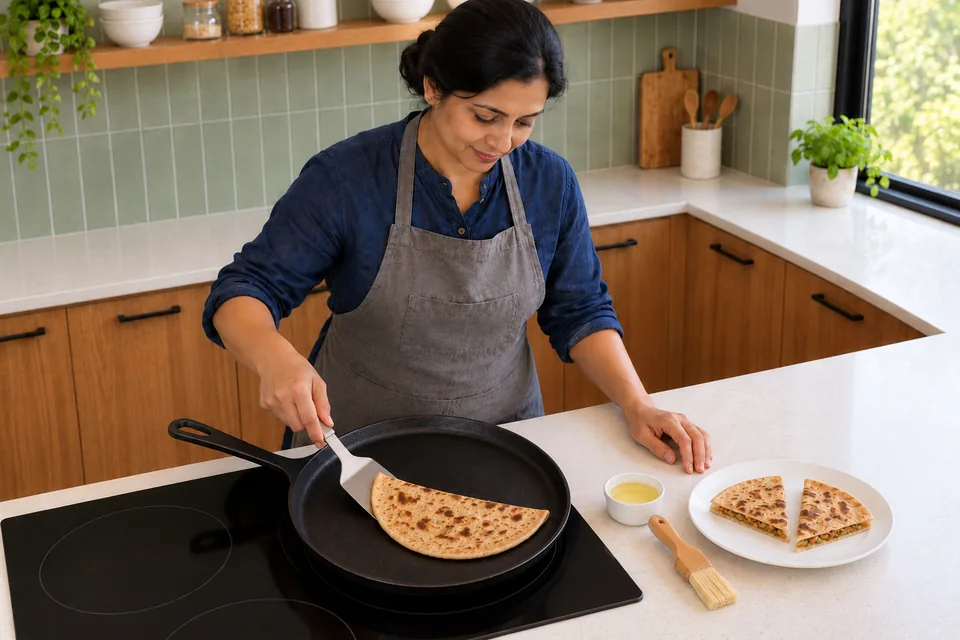
    One thin half-moon paratha cooking in a tawa, beside two quarters of the first bread cut to check its centre.
    06 Cook and check the first centreCook one at a time and cut the first bread to check its centre.
  7. 07 · Hold briefly and serve warm

    3–5 min

    Use:

    Keep cooked parathas loosely wrapped in a clean cloth while the next ones cook. Serve warm after a few minutes so the filling is no longer scalding.

    Ready when: The breads remain flexible and the filling is warm enough to eat safely.

    Five whole half-moon parathas and two quarters of the first test bread on a plate.
    07 Hold loosely covered and serve warmKeep loosely covered and serve warm after a few minutes.

What to look for

StageLook / feel forNeeds attention
Mix and knead the atta doughThe dough is pliable and firm enough to roll, with no dry crumbs or loose liquid.
Rest the dough; make and cool the fillingThe dough has relaxed. The filling is cool, fragrant and moist enough to hold together, with no puddle or scorched fruit.
Divide dough and filling six waysThere are six similar dough balls and one small filling portion for each.
Roll, fill and seal the half-moonsSix flat semicircles have closed seams and no large mound of filling. The dough is thin at the sealed edge.
Heat the panThe pan feels steadily hot and a tiny pinch of flour turns pale brown in a few seconds, rather than smoking or blackening immediately. Brush the test flour away.
Cook each filled breadBoth sides have brown patches and the sealed edge feels cooked rather than gummy. Inside, there is no sticky raw dough around the filling.
Hold briefly and serve warmThe breads remain flexible and the filling is warm enough to eat safely.

Troubleshooting

If you see thisLikely causeWhat to do nowNext time
The seam opens during cooking.The border was floury, overfilled or not pressed closed.Keep the split side uppermost when practical and cook the exposed dough through.Brush loose flour from the border, divide the filling evenly and seal before cooking.
The outside browns before the dough at the seam cooks.The pan is too hot or the edge was left thick.Lower the heat and turn the bread until the cut first-piece check shows cooked dough.Roll evenly, press the seam thin and use medium pan heat.
The dough cracks while rolling.The atta absorbed more water or the dough surface dried.Moisten your hands, knead the dry piece briefly, cover and rest for 10 minutes before rolling again.Keep all waiting dough covered and use only a light dusting of flour.

Storage: Best eaten warm on the day. Cool leftovers promptly, then refrigerate in a covered container for up to 2 days. Reheat in a covered skillet over gentle heat, turning until hot throughout; uncover briefly to refresh the surface.; Contains: wheat.; This Nepedia version has not been kitchen-tested.

Ingredient choices & substitutions

No brand is specified.

Match the ingredient’s function and weight. See the flour, gluten, yeast and salt guide.

Other approaches to this recipe
Cook / recipeUseWhat differs

The working ingredients and method form one recipe. Different formulas are compared without averaging their quantities or rise schedules.
Nepedia
Five whole half-moon parathas and the two quarters of the first test bread on a plate.
Spiced sultana paratha, cooked through and served warm.

Recipe

Spiced sultana paratha

Whole-wheat half-moon flatbreads with a small cumin, chilli and sultana filling. Seal them before cooking and fry over medium heat until the dough is cooked through.

How do I make it?

  1. Mix and knead the atta dough

    8–12 min

    Mix the dough flour and salt in a bowl. Add the dough oil and dough water. Stir until the flour is damp, then knead for about 5 minutes until smooth. Cover the dough.

    Cook covering one smooth whole-wheat dough in a steel bowl.
    Mix and knead a firm, pliable dough, then cover it.

    Ready when: The dough is pliable and firm enough to roll, with no dry crumbs or loose liquid.

  2. Rest the dough; make and cool the filling

    30 min

    Leave the dough covered for 30 minutes. Meanwhile, heat the filling oil in a small pan over medium-low heat. Add the cumin and stir for 30 seconds, then add the chopped chilli and cook for 1–2 minutes. Stir in the coriander, sultanas and filling water. Cook gently for 1–2 minutes, stirring, until no loose water remains. Spread on a plate to cool while the dough finishes resting.

    A small cooled mixture of chopped sultanas, chilli and spices on a plate.
    Rest the dough and cool the filling with no loose water.

    Ready when: The dough has relaxed. The filling is cool, fragrant and moist enough to hold together, with no puddle or scorched fruit.

  3. Divide dough and filling six ways

    4–5 min

    Divide the dough into six equal pieces, about 86 g each. Shape into balls and keep them covered. Divide the entire cooled filling into six equal small portions.

    Six dough balls beside six small portions of spiced-sultana filling.
    Divide both the dough and the filling into six equal portions.

    Ready when: There are six similar dough balls and one small filling portion for each.

  4. Roll, fill and seal the half-moons

    15–20 min

    Dust the worktop lightly with rolling flour. Roll one dough ball into an 18 cm circle of even thickness. Spread one filling portion thinly over one half, leaving a 1 cm clear border. Moisten the border with a damp fingertip, fold the empty half over and press the edges firmly together. Repeat, keeping completed breads loosely covered.

    Hands folding one thin atta disc over its small sultana-and-chilli filling.
    Spread a small portion over half the disc, then fold and seal.

    Ready when: Six flat semicircles have closed seams and no large mound of filling. The dough is thin at the sealed edge.

  5. Heat the pan

    3–5 min

    Heat a heavy 24–26 cm skillet or tawa over medium heat for 3–5 minutes. Set the cooking oil and a pastry brush nearby.

    Cook brushing a few test-flour specks from an ordinary empty tawa, viewed from above beside a small oil ramekin.
    Heat the pan over medium heat and brush away the test flour.

    Ready when: The pan feels steadily hot and a tiny pinch of flour turns pale brown in a few seconds, rather than smoking or blackening immediately. Brush the test flour away.

  6. Cook each filled bread

    24–36 min

    Brush the pan with a little of the cooking oil. Add one paratha and cook for about 2–3 minutes, then turn it. Brush the upper surface lightly with oil and cook the second side for 2–3 minutes, pressing the sealed edge gently against the pan. Adjust the heat if patches darken too quickly. Cook the remaining breads the same way, using about 4 g oil per bread overall. Cut open the first one to check its centre and seam; if raw dough remains, return it to the pan over lower heat.

    One thin half-moon paratha cooking in a tawa, beside two quarters of the first bread cut to check its centre.
    Cook one at a time and cut the first bread to check its centre.

    Ready when: Both sides have brown patches and the sealed edge feels cooked rather than gummy. Inside, there is no sticky raw dough around the filling.

  7. Hold briefly and serve warm

    3–5 min

    Keep cooked parathas loosely wrapped in a clean cloth while the next ones cook. Serve warm after a few minutes so the filling is no longer scalding.

    Five whole half-moon parathas and two quarters of the first test bread on a plate.
    Keep loosely covered and serve warm after a few minutes.

    Ready when: The breads remain flexible and the filling is warm enough to eat safely.

What can go wrong, and how can I fix it?

What you noticeLikely causeWhat to do
The seam opens during cooking.The border was floury, overfilled or not pressed closed.Keep the split side uppermost when practical and cook the exposed dough through. Brush loose flour from the border, divide the filling evenly and seal before cooking.
The outside browns before the dough at the seam cooks.The pan is too hot or the edge was left thick.Lower the heat and turn the bread until the cut first-piece check shows cooked dough. Roll evenly, press the seam thin and use medium pan heat.
The dough cracks while rolling.The atta absorbed more water or the dough surface dried.Moisten your hands, knead the dry piece briefly, cover and rest for 10 minutes before rolling again. Keep all waiting dough covered and use only a light dusting of flour.
Useful recipe notes

Storage: Best eaten warm on the day. Cool leftovers promptly, then refrigerate in a covered container for up to 2 days. Reheat in a covered skillet over gentle heat, turning until hot throughout; uncover briefly to refresh the surface.

Contains: wheat.

This Nepedia version has not been kitchen-tested.

See the detailed method and ratios in , or follow ingredients through the .

Ingredient proportions & recipe details

Spiced sultana paratha at a glance

Makes
6 filled semicircular parathas
Heat
Medium pan heat
Cooking time
4–6 min per bread; 24–36 min for six
Cuisine / style
India
How do the ingredient proportions compare?

Percentages compare each listed weight with the combined flour weight (100%). These are ingredient ratios, not dough hydration; milk, eggs and fillings contain other ingredients as well as water.

Formula componentGramsFlour = 100%
Atta whole-wheat flour300 g100%
Water for the dough195 g65%
Neutral oil for the dough15 g5%
Fine salt4 g1.3%